

Safety assurance for increasingly intelligent systems
As systems become more automated, connected and AI-enabled, safety cannot be treated as an isolated compliance exercise. Tamira supports structured safety lifecycles, engineering evidence and assurance arguments across traditional control systems, automotive systems and AI-enabled applications.
Safety lifecycle support across the full development path
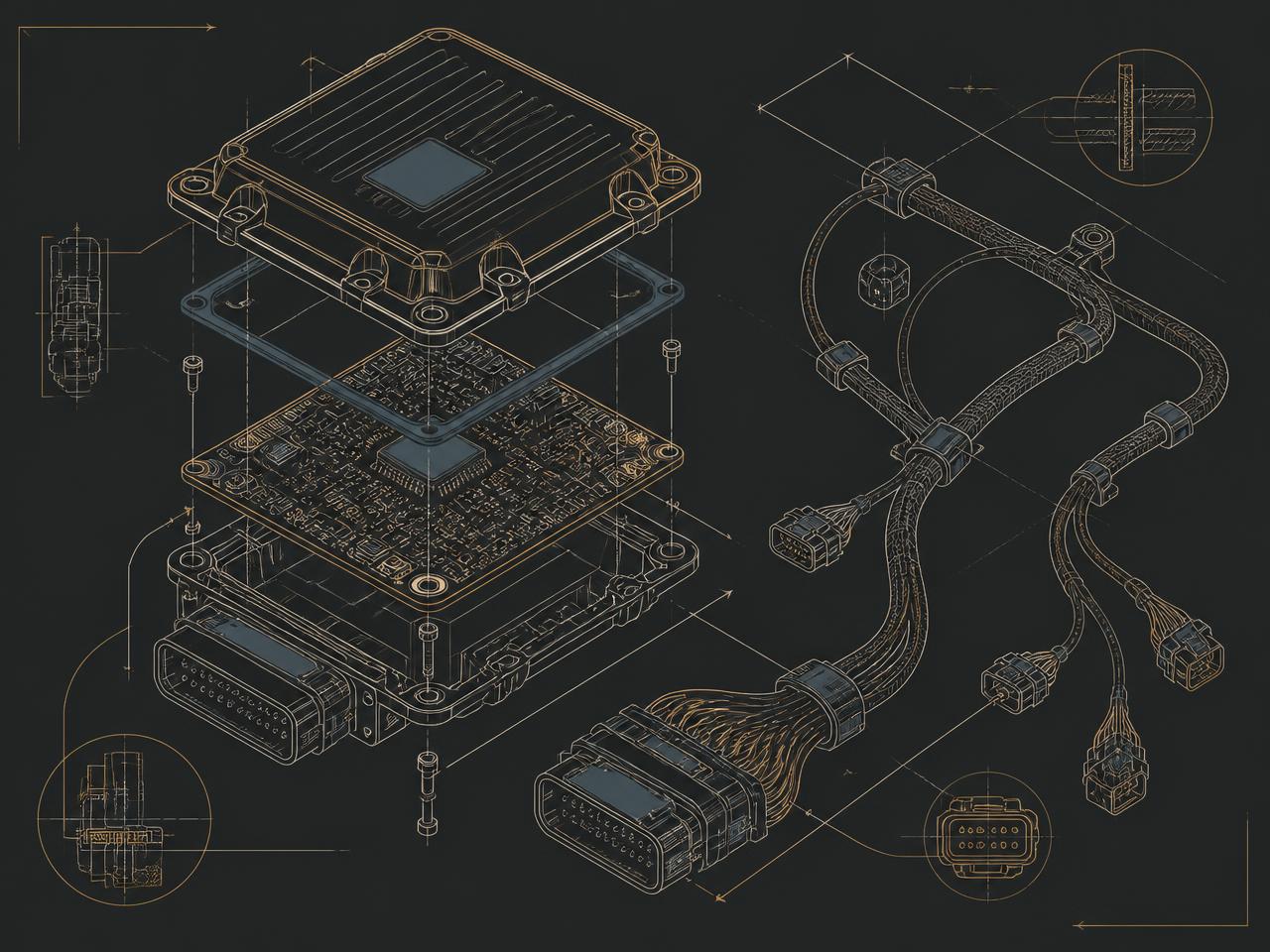
Tamira provides engineering and assurance support informed by applicable functional-safety standards and customer lifecycle requirements — from hazard analysis through to verification evidence.
Tamira is not a certification body. Work is scoped as engineering and assurance support within the customer's own safety lifecycle and certification route.
Safety of the Intended Functionality
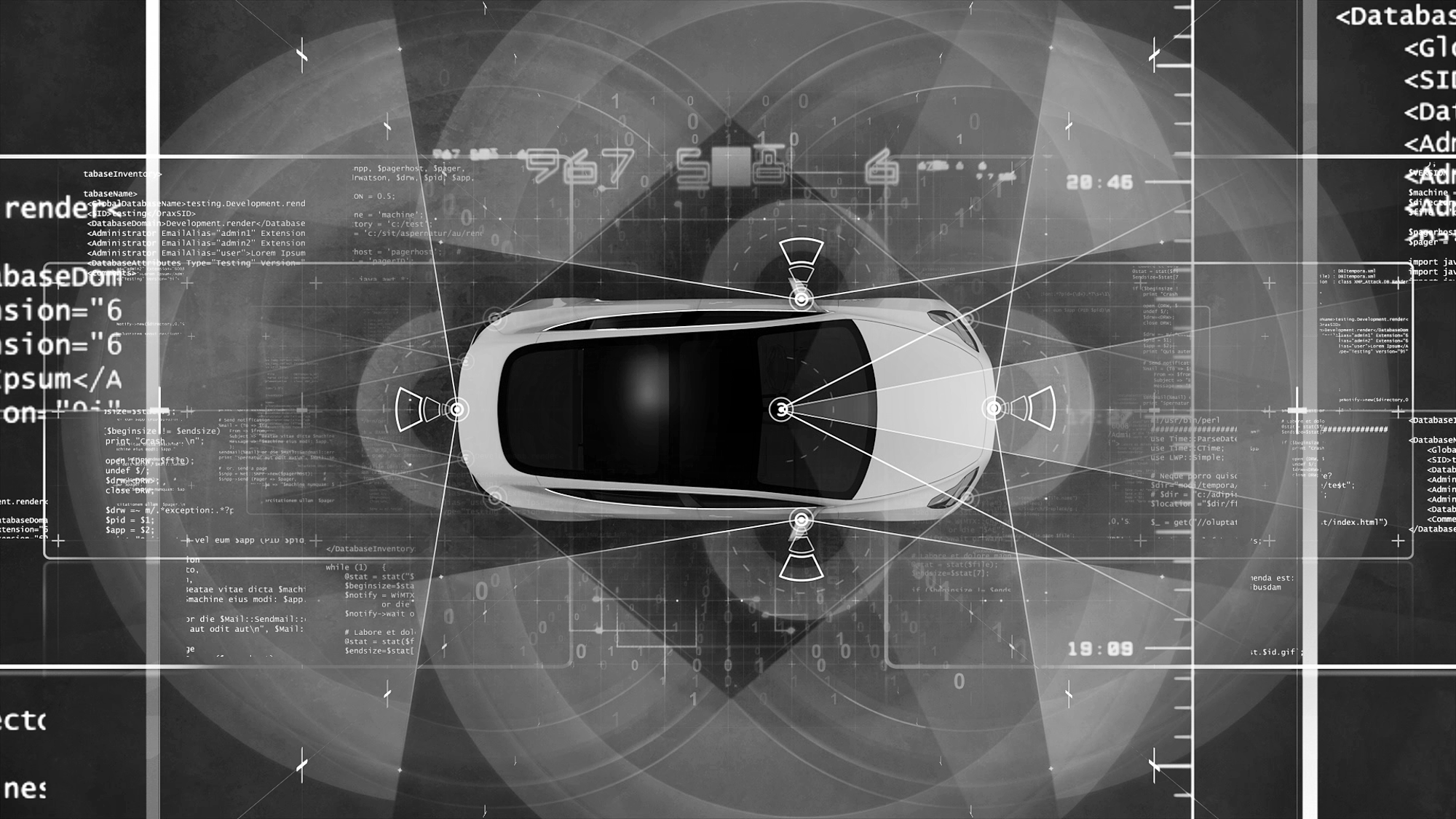
SOTIF addresses hazards that can arise even when a system has not technically failed — performance limitations, foreseeable misuse and challenging operating conditions. The work is about shrinking the unknown-and-unsafe space.
Current principal reference · ISO 21448
Structured assurance for AI-enabled and highly automated systems
Tamira supports organisations in developing structured assurance arguments that connect data, models, system behaviour, operational risk and human oversight into a single, reviewable position.
Applicability is determined per engagement. Tamira does not claim formal alignment with a framework unless it is supported by project documentation.
Arguments that hold up to review
A safety case is only as strong as the traceability beneath it. We structure claims, arguments and evidence so that a safety position can be interrogated, defended and kept alive as the system changes.

Argument structure
Claims, arguments and evidence organised so that a safety position can be reviewed and challenged.
Evidence management
Requirements, analyses, test results and operational data linked to the claims they support.
Independent review
Structured review of safety artefacts against the applicable lifecycle and customer requirements.
Maintenance of the case
Keeping the argument valid as design, data, models and operating conditions change.

Making AI use accountable and reviewable
Governance turns intent into control: policy, defined accountability, risk treatment and monitoring that survive retraining, redeployment and organisational change.
AI management systems
Policy, roles, risk processes and controls that make AI use governable across an organisation.
Risk assessment
Identification and treatment of AI-related risks across data, model, system and operational layers.
Human oversight
Defined accountability, escalation and intervention points around automated decisions.
Monitoring and change control
Ongoing performance monitoring with controlled retraining, versioning and release governance.